Prohibition history
Women in speakeasies.
The American saloon was a male institution and many would not serve women at all. The speakeasy, being illegal, had no respectability to protect and every reason to double its market. Within a few years mixed-sex public drinking was ordinary — the largest social change Prohibition caused, and one nobody campaigning for it wanted.
What the saloon had been
A working man’s institution, and in most of the country an explicitly male one. Many saloons refused women entirely; others admitted them only through a side entrance into a separate room, which was a way of serving them without acknowledging it. A woman seen going into a saloon through the front door was making a statement about herself that most could not afford to make.
This is not incidental to the temperance campaign — it is close to the heart of it. The saloon was where the household’s wages went, it was the place women were structurally excluded from, and it was run by an industry that funded opposition to their getting the vote. The WCTU’s hostility had a target that was quite specific.
Why the speakeasy was different
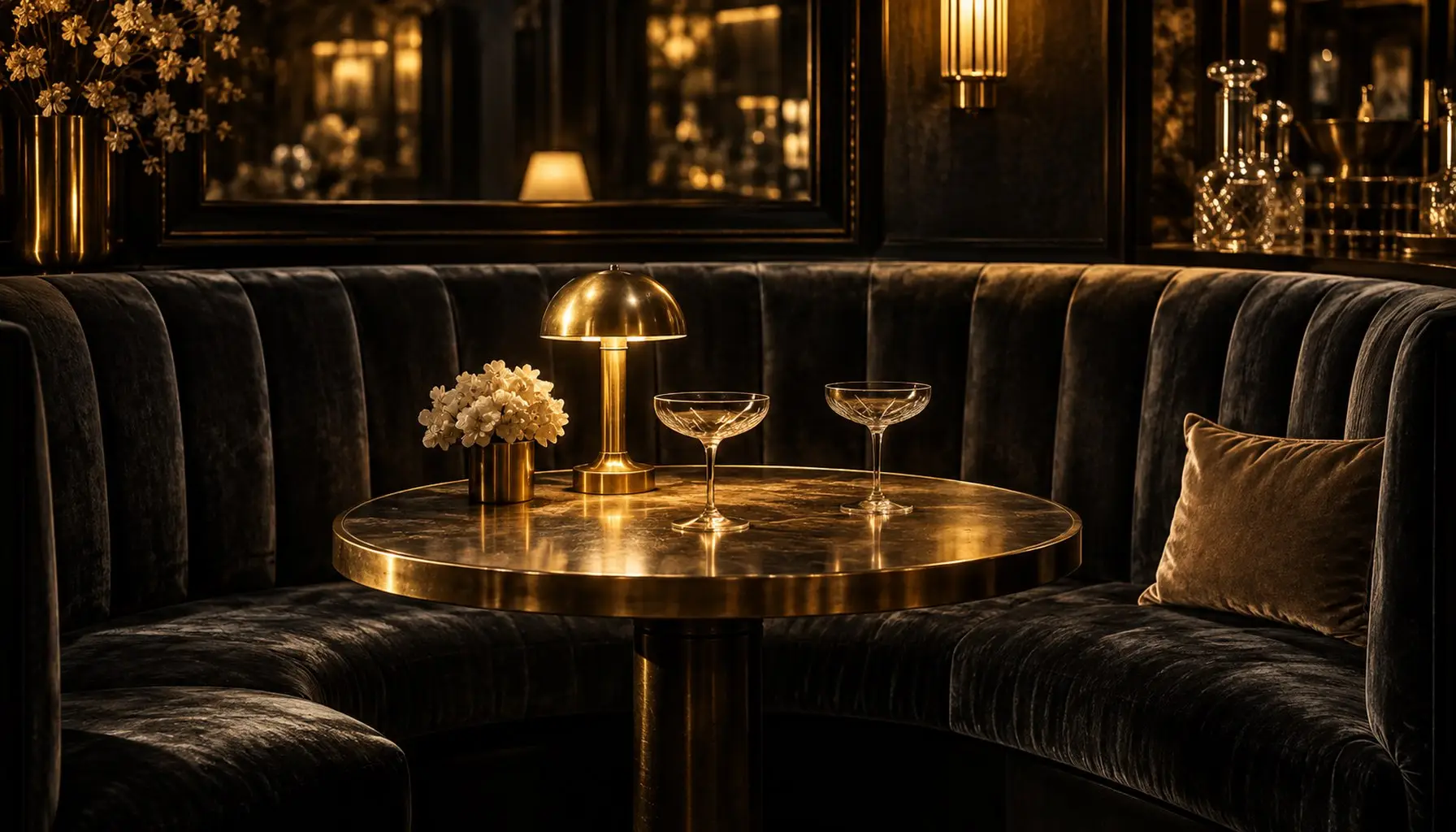
Because it had nothing to lose. A business already committing a federal crime is not worried about respectability, and it is extremely interested in anyone with money. Excluding half the paying public was a luxury the legal trade could afford and the illegal one could not.
There was also a practical argument: a room with couples in it looked less like a bar and drew less attention than a room full of men. Mixed tables were cover as well as custom.
And the rooms themselves suited it. A small table-service space with a floor show and made drinks is a different proposition from a long bar with a rail and a spittoon, and it is one a woman could enter without the entrance being the event.
What it looked like
The hostess as a professional figure — Texas Guinan is the famous case, but there were many, and some owned their clubs outright. Belle Livingstone ran a five-storey room in Manhattan. The chorus that worked the tables was a job category that did not exist before.
Women also ran production and distribution in large numbers, which is the less photogenic half. Home distilling and home winemaking were domestic work, done in kitchens, and a great deal of the liquor in American cities came from women who had correctly judged that agents searched them last and arrested them more reluctantly.
The limits of the change
It is easy to overstate. This was a change in the cities first and most completely, it was a change for white middle-class women ahead of anyone else, and the freedom it describes was heavily class-bound: a woman in an expensive club was doing something a woman in a mill town could not.
And the public argument about it was vicious. The dry press treated the drinking woman as proof that Prohibition had been necessary and was failing simultaneously, and the coverage of young women in nightclubs had the same tone every subsequent decade has used about young women enjoying themselves.
The organisation that finished Prohibition
Here is the turn. The Women’s Organization for National Prohibition Reform, founded in 1929 by Pauline Sabin, campaigned for repeal and grew to well over a million members — larger than the WCTU had ever been.
Sabin’s argument was not that drinking was good. It was that Prohibition had made lawbreaking normal in front of children, enriched criminals, corrupted the police and failed at the one thing it promised. The drys’ standing claim that American women supported Prohibition as a bloc had been politically decisive in 1919, and Sabin’s organisation destroyed it.
Women’s organising put Prohibition into the Constitution and women’s organising took it out, fourteen years apart, for reasons both groups would have recognised in each other.
What stayed
The mixed room. When liquor came back in 1933 it came back into restaurants, hotels, taverns and cocktail lounges rather than into saloons — several states banned the word outright — and those rooms were built from the start for a mixed clientele.
Some states kept laws restricting women at bars into the 1970s. But the ordinary American drinking room of the twentieth century looks the way it does because of a decade of illegal ones, and that is a genuinely large thing for an unintended consequence.