Prohibition history
The 21 Club.
The 21 Club opened at 21 West 52nd Street, New York, on New Year’s Eve 1929, and was the most elaborately engineered speakeasy in America: a lever that tipped the bar shelves into a chute, and a two-ton concealed door into a wine cellar that sat under the building next door.
How it got there
Jack Kriendler and Charlie Berns were cousins who started with a Greenwich Village room in 1922 and moved repeatedly as leases ended and the city changed around them — the Red Head, the Fronton, the Puncheon Club on West 49th Street. That last address was demolished to make way for Rockefeller Center, so in 1929 they moved uptown with the doorknob and the iron gate and opened at number 21.
The gate and the painted lawn jockeys on the steps came with them and stayed for the rest of the century.
The engineering
This is the part that earns the page. The bar shelves sat on a mechanism connected to a lever; a push on the lever tipped the shelves backward, and the bottles fell through a chute onto rocks in the basement, where they smashed and the contents drained into the city sewer. By the time agents reached the bar there was no liquor, no glassware and no evidence.
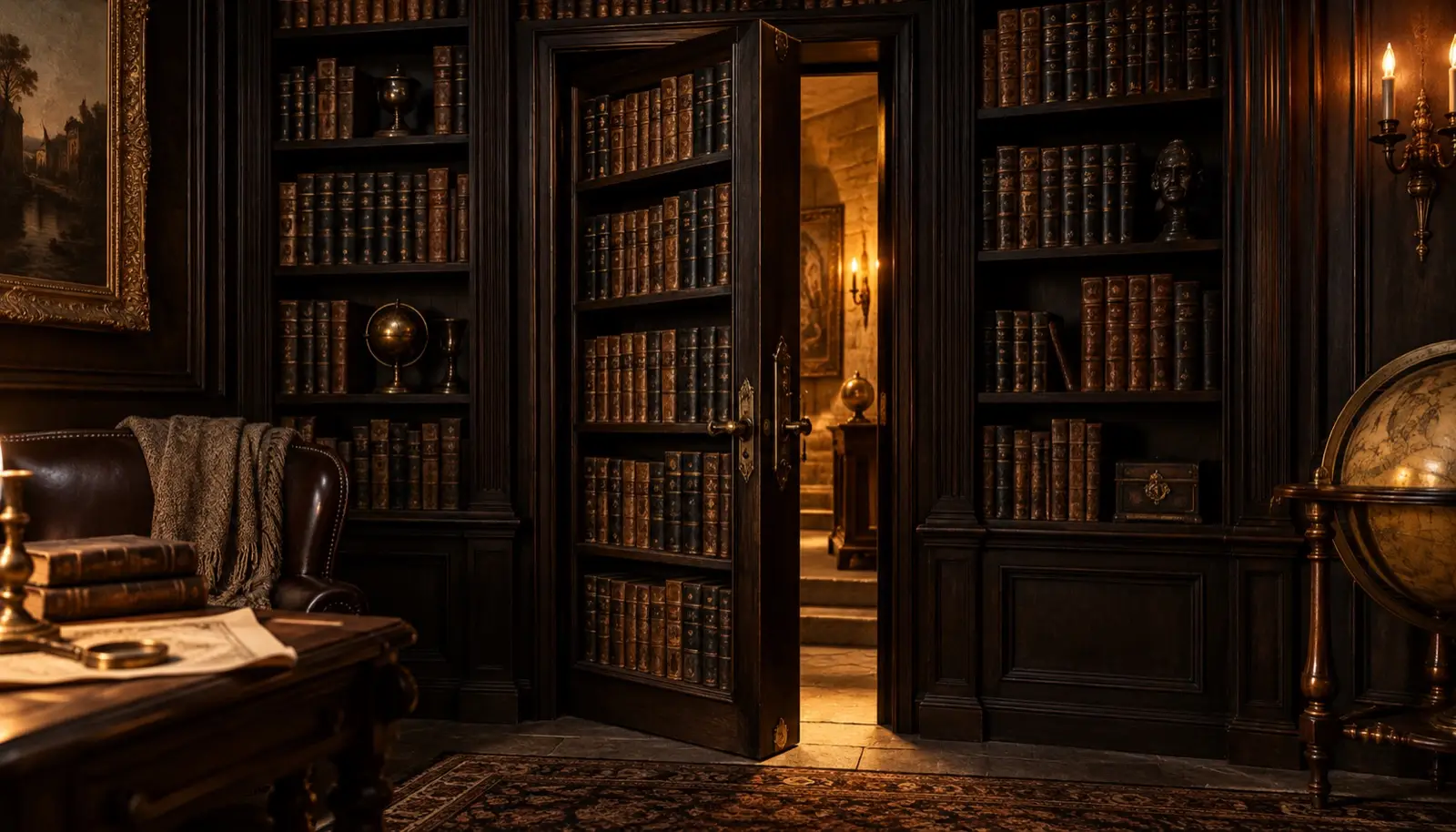
The serious stock was somewhere else entirely. A concealed door — two tons of brick on a hidden pivot, opened by pushing a slim wire or meat skewer into one particular joint — led to a wine cellar that lay beneath 19 West 52nd Street. The address mattered: a warrant for number 21 did not cover number 19, and a cellar in the next building was not on the premises being searched.
The club was raided repeatedly over four years. No liquor was ever found.
What it says about the trade
That at the top end, Prohibition was a construction problem with a budget. The 21 Club was expensive, well-connected and patronised by exactly the people who wrote and enforced the laws, and it invested in hiding the liquor the way a legitimate business invests in a vault.
It is the opposite end of the trade from a blind pig in a rented back room, and the contrast is the most useful thing about it. Both were illegal. Only one could afford a two-ton door.
Afterwards
It became a legal restaurant in 1933 without missing a step, and spent eighty years as one of the most establishment rooms in New York — the toys hanging from the ceiling, the private wine lockers in that same cellar, the regulars’ tables. It closed in 2016.
The cellar and the mechanism were still there at the end, and were shown to anyone who asked, which is the reason this particular story is documented rather than legendary. Most speakeasy engineering claims rest on a story. This one rested on a door people had walked through that week.
The tunnel question
Since we are here: tunnels. Pre-war American commercial buildings are full of coal chutes, delivery passages, boiler rooms and basement connections between adjoining properties, and some of them were genuinely used to move liquor. The 21 Club’s cellar arrangement is effectively a very short version of exactly that.
The leap people make is from “this building has a basement opening” to “this was a Prohibition smuggling tunnel.” Occasionally that is right. Usually it is a coal chute. We ask for a source either way.
What New York has now
The 21 Club closed in 2020. The city it belonged to still has 62 hidden bars in this directory, and a few of them are doing the same trick with the same seriousness.
These are not the historic rooms — almost none of them is — and we say so on every listing. They are what the history turned into, which is its own thing worth knowing.
- Sincerely, Ophelia New York, NY
- Bathtub Gin New York, NY
- Fig. 19 New York, NY
- The Garret New York, NY
- Big Deal Speakeasy Casino Events New York, NY
- SAINT RESTAURANT BAR & SPEAKEASY New York, NY
- Speakeasy New York, NY
- The Lingerie Shoppe Speakeasy @AstoriasSecret - NEW LOCATION COMING SOON! New York, NY