Prohibition history
The Cotton Club, and the Harlem it stood in.
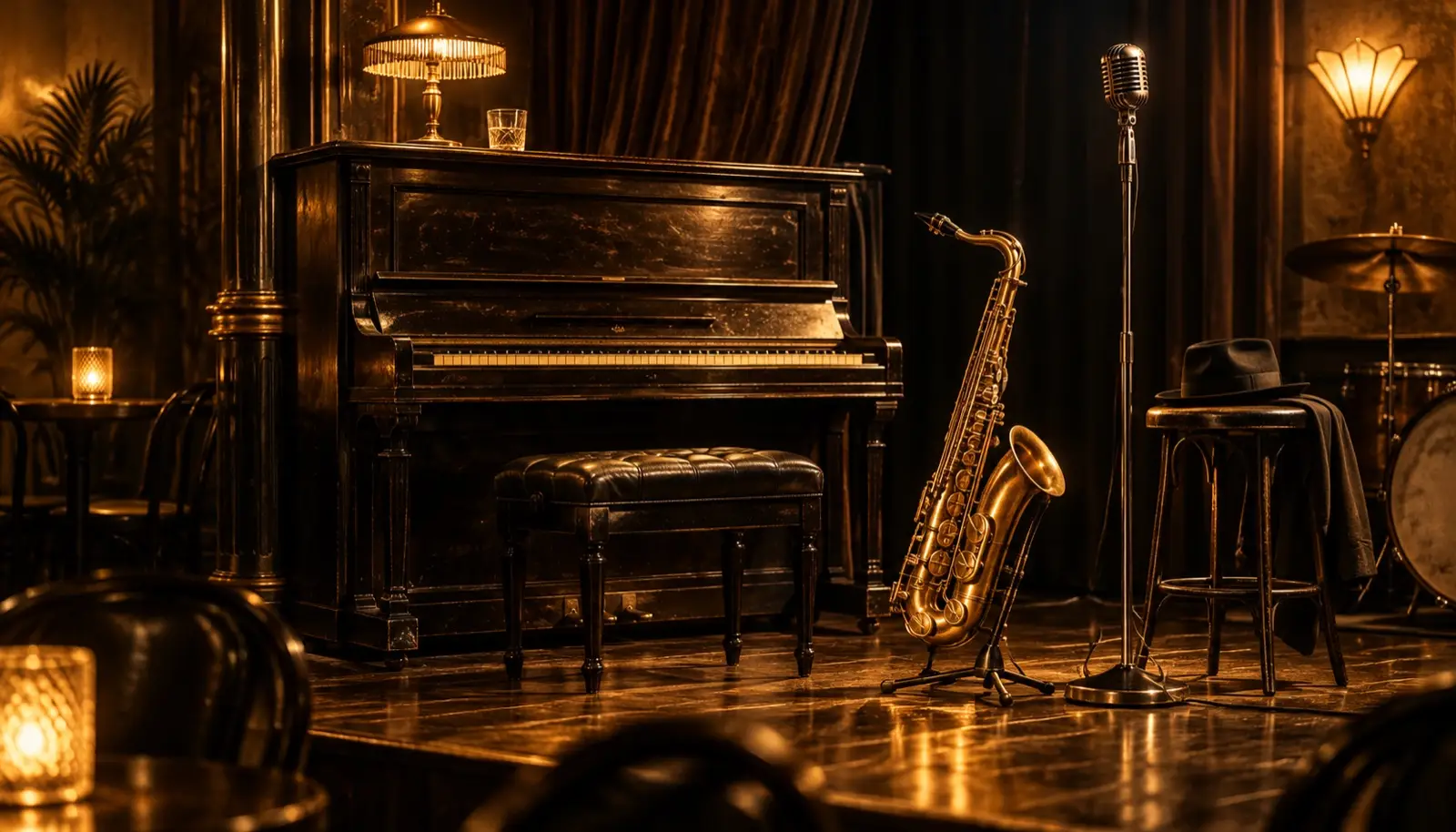
The Cotton Club at 644 Lenox Avenue was the most famous nightclub of Prohibition: Duke Ellington’s orchestra, Cab Calloway, Lena Horne, and a door that admitted white customers only. It was owned by the bootlegger Owney Madden, and it was one room in a Harlem that had many.
What it was
A large, expensive nightclub on Lenox Avenue at 142nd Street, taken over in 1923 by Owney Madden, an English-born gangster who needed an outlet for his beer and a respectable-looking business to run it through. It had been a failed venture of the boxer Jack Johnson’s before that.
The entertainment was extraordinary and is the reason anyone remembers it: Duke Ellington’s orchestra held the residency from 1927 to 1931 and the nightly radio broadcasts from the club made him nationally famous; Cab Calloway followed; Ethel Waters, Bill Robinson, Lena Horne and the Nicholas Brothers all worked there.
The audience was white. The performers and staff were Black. That was the policy, stated and enforced.
The policy, plainly
Black patrons were not admitted, with rare and conditional exceptions for celebrities. The floor shows were built around plantation and jungle staging, with sets to match, for a white downtown audience that came uptown to consume a fantasy of Black life performed by people who were not allowed to sit in the room.
Performers said so at the time and afterwards. Ellington worked within it and pushed against it where he could; Calloway was blunt about what it was. It should not be softened into atmosphere. The Cotton Club is where the glamour of the period and the ugliness of the period are the same object.
The Harlem that was not the Cotton Club
This is the part usually left out. Harlem in the 1920s had hundreds of clubs, cabarets, cellars and rent parties, the great majority of them Black-owned or Black-run and open to Black audiences.
Small’s Paradise on Seventh Avenue was Black-owned by Ed Smalls, integrated, and ran until 1986. Connie’s Inn was another whites-only room. The Savoy Ballroom on Lenox, opened in 1926, was integrated from the start and is where Lindy Hop was made. And beneath all of it were the rent parties — a few cents at the door, a piano player, food and liquor in a private flat — which were where stride piano was developed and where most Harlem residents actually drank.
A history of Prohibition nightlife that names only the Cotton Club has described the tourist’s Harlem and missed the city.
What Prohibition had to do with it
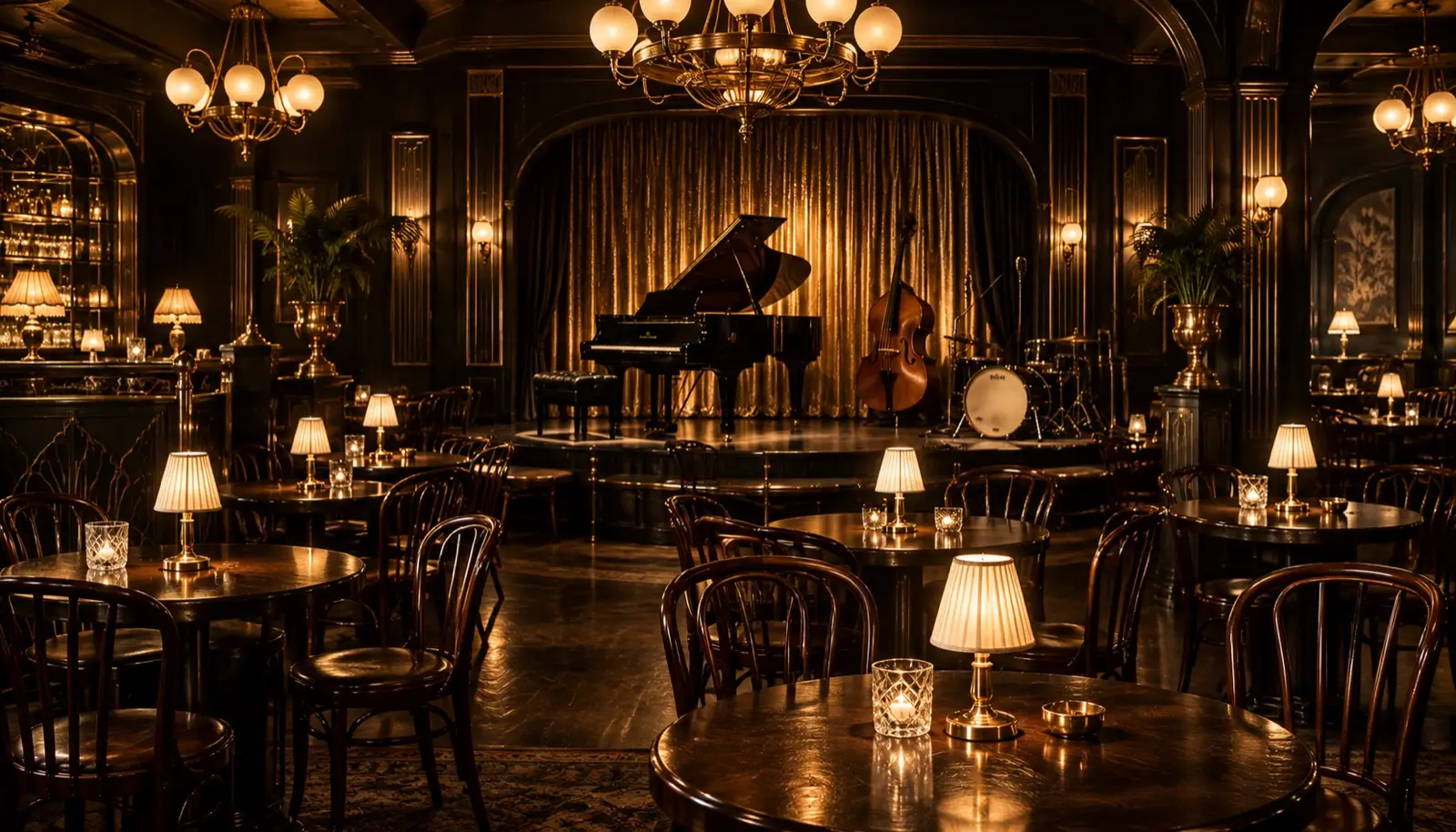
Everything, structurally. Illegal liquor needed outlets; outlets needed entertainment to justify the prices; and the entertainment available in Harlem was the best in the country. The money that built those rooms was bootleg money, and the organisations behind it were the same ones running beer in the Bronx and Manhattan.
It also created the rent party. Harlem rents were inflated well above comparable neighbourhoods, wages were not, and a Saturday night with a piano player and a jug could cover the gap. That economy produced James P. Johnson, Fats Waller and Willie “The Lion” Smith, which is a substantial return on a quarter at the door.
After repeal
The Harlem Cotton Club closed in 1936, after the 1935 Harlem riot made downtown visitors nervous, and reopened in midtown until 1940. The building on Lenox is gone.
The policy did not end with the club. Segregated audiences for Black performers persisted in American venues for decades afterwards, North and South, and a good deal of what the Cotton Club is remembered for was ordinary practice rather than one room’s peculiarity.
What we do with it
Several bars trading today invoke Harlem’s Prohibition nightlife in their branding. Some do it with care and some do not, and the difference is usually whether anything in the room acknowledges that the music was made by people who could not sit down in it.
Where a venue’s page makes a historical claim about this period we label it and source it. Where a venue is simply borrowing an aesthetic, we say that too.
What New York has now
Harlem’s rooms are mostly gone, and the ones that replaced them are not the same thing. We list 62 hidden bars across New York City.
These are not the historic rooms — almost none of them is — and we say so on every listing. They are what the history turned into, which is its own thing worth knowing.
- Sincerely, Ophelia New York, NY
- Bathtub Gin New York, NY
- Fig. 19 New York, NY
- The Garret New York, NY
- Big Deal Speakeasy Casino Events New York, NY
- SAINT RESTAURANT BAR & SPEAKEASY New York, NY
- Speakeasy New York, NY
- The Lingerie Shoppe Speakeasy @AstoriasSecret - NEW LOCATION COMING SOON! New York, NY