Prohibition history
Bathtub gin, and what people actually drank.
Most Prohibition liquor was neutral spirit dressed up: gin was alcohol, water, glycerine and juniper oil; whisky was alcohol, water, caramel and a little of the real thing. It was harsh rather than refined, which is precisely why the cocktail — citrus, sugar, vermouth, bitters — became the American way to drink.
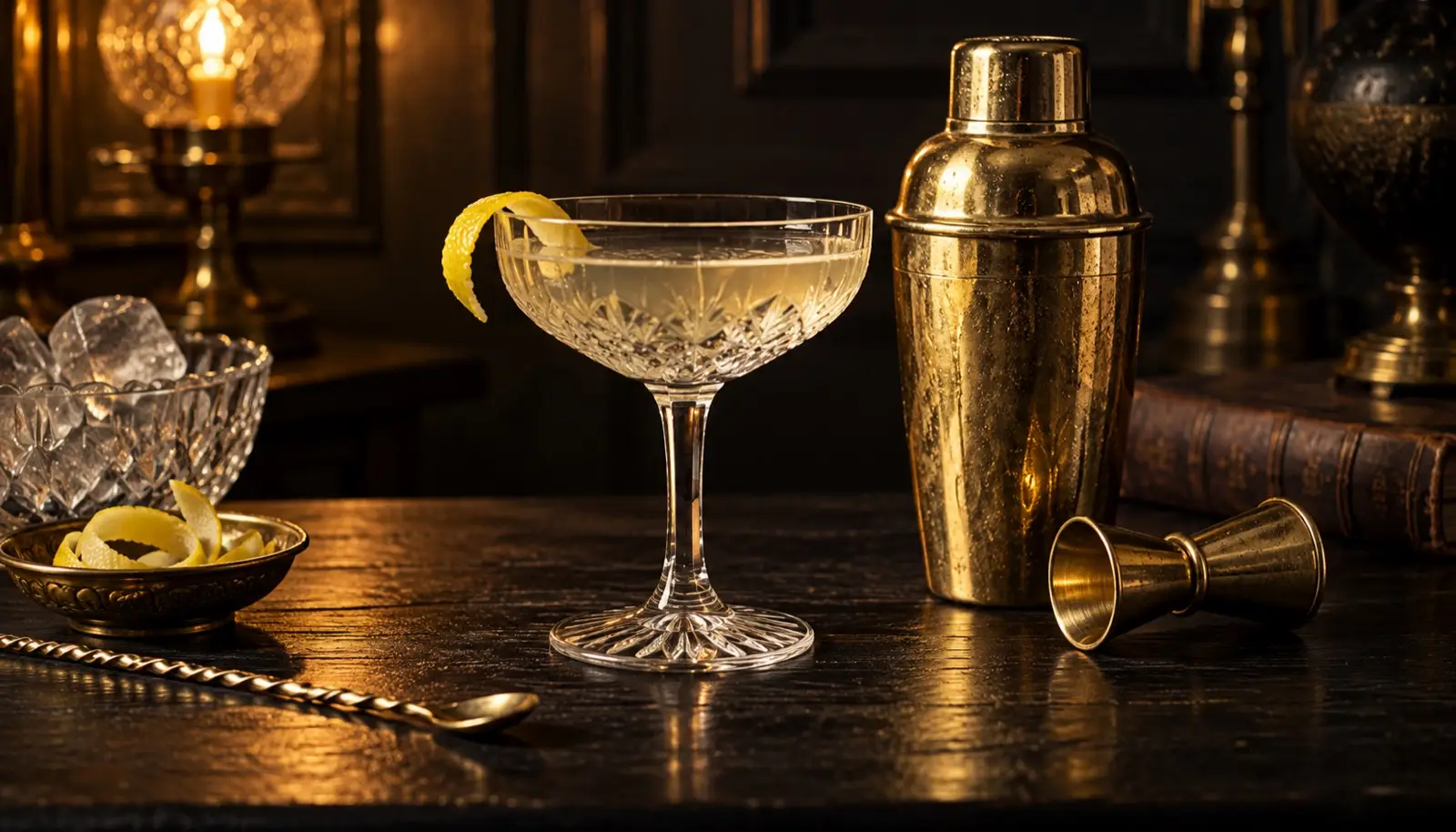
The bathtub was not where it was made
The name is a misunderstanding that has outlived the correction. Gin was compounded in jugs and crocks, not in plumbing. What the bath was used for was topping the bottle up with water, because a tall bottle will not fit under a kitchen tap and will fit under a bath tap.
Compound gin needs no still and no ageing: take neutral spirit, add water to drinking strength, add juniper oil and whatever else is to hand — coriander, glycerine for body, a little sugar — shake and leave to settle. An hour’s work, no equipment, and a product that is recognisably gin in the sense that it is clear and tastes of juniper.
That is why gin dominated the period rather than whiskey. Whisky needs years in wood. Gin needs an afternoon.
Cut, re-cut and cut again
Cutting was the business model, not an abuse of it. A case of genuine Scotch landed from Rum Row was worth more as three cases of something with Scotch in it, and the chain did it at every step: the importer, the wholesaler, the warehouse, and the bar itself with a funnel behind the counter.
Colour came from caramel, burnt sugar or tea. Age came from a label. Heat came from pepper, and a false sense of strength from whatever would sting. By the time a drink reached the customer in a cheap room, the proportion of it that had ever been near a distillery could be very small indeed.
Needle beer and the brewing trade
Breweries were allowed to make cereal beverage at half a per cent — “near beer” — and a good deal of it was made honestly and sold legally. It was also the perfect raw material for the other thing.
Needle beer was near beer with alcohol injected back into the barrel or the bottle, often with a syringe, hence the name. It was enormously common in the cities, it tasted roughly like beer, and it was one of the few Prohibition products that bore an honest relationship to what it claimed to be.
Wine in the house, legally
Section 29 of the Volstead Act let a household make two hundred gallons a year of non-intoxicating cider and fruit juice. California’s grape growers read that clause with care and sold the country concentrated grape blocks, shipped with careful instructions about exactly which conditions would cause fermentation, so that the purchaser could scrupulously avoid them.
Home winemaking became an ordinary domestic activity in immigrant communities that had always done it and in plenty that had not. Grape acreage rose. It is the one part of the period where the drink in the glass was frequently decent, and the reason is simple: the person who made it had to drink it.
Why the cocktail won
Because the base spirit was bad and sugar, citrus and vermouth are extremely good at covering for bad spirit. That is the whole mechanism, and bartenders of the period said so plainly.
The drinks that came out of it are not apologies, though. The Bee’s Knees — gin, lemon, honey — is a properly balanced sour that happens also to bury a rough gin. The Southside, the Mary Pickford, the Sidecar, the Last Word: all of them are drinks a modern bar is glad to make on their merits. American bartenders who left for Havana, London and Paris during Prohibition carried the technique with them and brought it back after repeal.
The other reason is the room. If you are drinking somewhere with a door policy and a small staff, a made drink is what you order. The cocktail bar that every modern speakeasy is imitating was built on exactly that logic.
What to be sceptical about
Any bar that tells you its house recipe is “an original Prohibition formula”. Recipes from the period do survive — in bartenders’ guides published abroad, in private notebooks, in the Savoy and Harry’s of Paris — but an illegal bar in Cleveland was not writing anything down, and the claim is almost never sourced.
What is true, and more interesting, is that the drinks you order in a modern hidden bar are mostly reconstructions from published sources of the 1920s and 1930s, made with vastly better spirits than anyone in 1925 could get. They are what those drinks were always supposed to taste like.
Where it survives in the directory
The phrase survives as a bar name. 4 of our listings use it, which is a joke about a drink nobody now has to make in a bathtub.
They are spread across 4 states, concentrated in New York (1), Washington (1), Texas (1), North Carolina (1).
These are not the historic rooms — almost none of them is — and we say so on every listing. They are what the history turned into, which is its own thing worth knowing.
- Bathtub Gin New York, NY
- Bathtub Gin Seattle, WA
- Bathtub Gin's Jam Lounge Fort Worth, TX
- The Bathtub Gin Mooresville, NC