Prohibition history
Blind pigs and blind tigers.
A blind pig was an unlicensed drinking place that charged admission to see some trifling attraction — a striped pig, a blind tiger — and then gave the customer a “free” drink. The dodge is older than Prohibition by eighty years, and the names stuck long after anyone bothered with the pretence.
The original trick
The oldest version on record is American and dates to the 1830s and 1840s, in states with early licensing restrictions. The law forbade selling liquor without a licence. It did not forbid giving it away. So an enterprising proprietor charged a few cents to view a curiosity — a striped pig, a blind pig, a blind tiger, a dead crocodile, whatever was to hand — and the drink came with the ticket.
Nobody was fooled, including the courts, which struck the dodge down wherever it was tested. That was not really the point. The point was that a magistrate who did not want to prosecute now had a reason not to, and in a town where opinion was divided that mattered more than the legal merits.
By the time Prohibition arrived the pretence had mostly been dropped and the names had become plain synonyms for an illegal bar.
Blind pig, blind tiger, and where you heard which
Both terms are documented from the mid-nineteenth century. Blind tiger turns up earliest and most densely in the South and in South Carolina in particular, where the state ran its own liquor dispensaries from 1893 and the illegal competition acquired the name wholesale. Blind pig is more Northern and Midwestern, and it is the term that survived best in Michigan and the upper Midwest — Detroit’s illegal bars were blind pigs, not speakeasies, in local usage and in the local papers.
The regional split is still legible in the newspaper record. Our state pages count how often each term appears in that state’s digitised press between 1920 and 1933, and the pattern of which word a state used is one of the more quietly interesting things in the data.
What distinguished one from a speakeasy
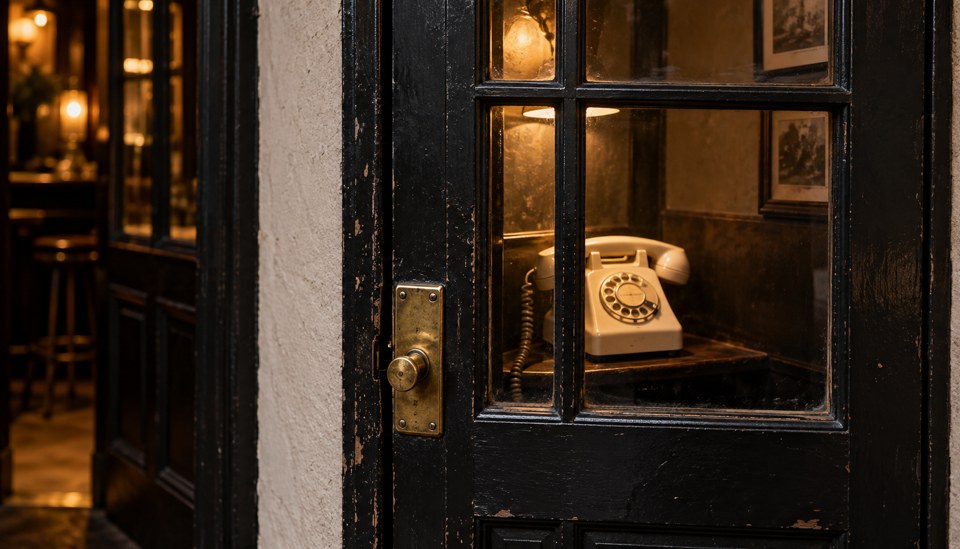
Less than the vocabulary suggests, but there is a real distinction of register. The speakeasy of the popular imagination is urban, aspirational and sells an evening. The blind pig is the back of a shop in a town of four thousand people, and it sells liquor.
Blind pigs were likelier to be rural or small-town, likelier to be attached to a house or an existing business, and likelier to serve a single steady clientele that had been drinking there since before the ban. A good number of them had been operating illegally for decades already in states that had gone dry long before 1920, which is why the federal ban made so little difference to how they ran.
How they were found
Mostly by informers, and mostly for money. Federal agents were thin on the ground and the Volstead Act allowed rewards, so a great deal of enforcement ran on tip-offs from neighbours, competitors and people who had been thrown out the week before.
The other route was the padlock injunction, which did not require catching anybody in the act — prove the premises had been used for selling liquor and a judge could close it for a year, landlord and all. For a small-town blind pig running out of a rented back room, that was the thing to fear.
The words today
Both have come back as bar names, and “blind pig” in particular is now a common one — there are rooms using it in a dozen states, along with a widely distributed beer brand. It is a better name than “speakeasy” in one respect: it is specific, slightly absurd, and it carries its own joke.
What it does not carry is any guarantee of history. A bar called The Blind Pig is usually a bar called The Blind Pig, and we say so on its page rather than letting the name do work the building cannot support.
A note on the pig
There probably was a striped pig. The earliest well-attested version of the story comes from a militia muster in Dedham, Massachusetts in 1838, where a showman charged admission to see a pig painted with stripes and supplied a drink to each viewer. Whether that is the true origin or simply the first time a newspaper found it funny enough to print is unknowable, and the honest answer is that it is a very good story that cannot be nailed down.
What can be nailed down is that the phrase was in wide American use within a few years of that, which tells you the dodge spread fast whoever thought of it first.
Where it survives in the directory
The term did not die with Repeal. 112 bars in this directory have taken it back, which is a choice about what they want you to expect before you have seen the room.
They are spread across 36 states, concentrated in Florida (14), Texas (7), New York (6), Wisconsin (6).
These are not the historic rooms — almost none of them is — and we say so on every listing. They are what the history turned into, which is its own thing worth knowing.
- The Blind Pig Bardstown, KY
- Blind Pig San Francisco, CA
- Blind Pig Mineral Wells, TX
- The Blind Pig of Westchester White Plains, NY
- The Blind Tiger Colfax, WI
- The Blind Tiger Medicine Room Medford, OR
- BLIND PIG Distilling Co. MI
- Blind Pig Athol, MA